

Microsoft 070-464J exam dumps : Developing Microsoft SQL Server Databases (070-464日本語版)
- Exam Code: 070-464J
- Exam Name: Developing Microsoft SQL Server Databases (070-464日本語版)
- Updated: Aug 08, 2026 Q & A: 200 Questions and Answers

 PDF Version Demo

PC Test Engine
Microsoft 070-464日本語 Value Pack (Frequently Bought Together)

- If you purchase Microsoft 070-464日本語 Value Pack, you will also own the free online test engine.
- PDF Version + PC Test Engine + Online Test Engine
- Value Pack Total: $139.98 $89.99
About Microsoft 070-464日本語 Exam
070-464日本語 online test engine
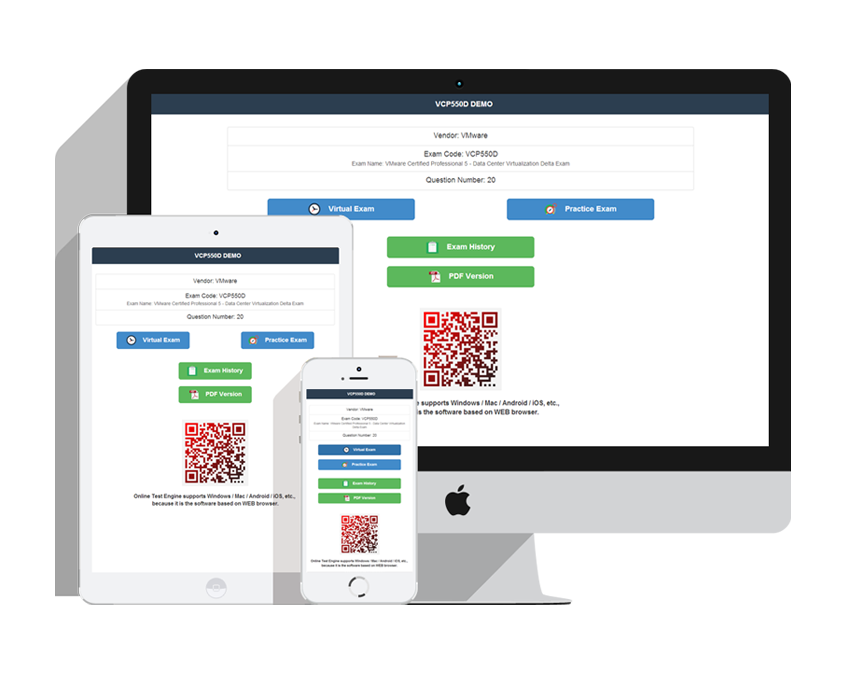
With the 070-464日本語 online test engine, you can experience the actual test environment during the practice. It is suitable for any electronic device with any limit, such as: Windows/Mac/Android/iOS operating systems. When you use the 070-464日本語 online test engine, you can set the test time with each practice and get the test score after finished the test. Besides, the questions which you have made mistake can be marked for next review. With so many intelligence advantages, you can get many benefits from our 070-464日本語 online test engine.
99% pass rate for one time pass
We offer you 070-464日本語 exam prep dumps to help you learn the key knowledge of the test. And you just need to spend one or two days to practice 070-464日本語 training questions and know your weakness and strength during the preparation. The pass rate is reach to 99% because 070-464日本語 updated study material is composed by our professional colleague who has rich experience. The content of 070-464日本語 exam practice dumps is comprehensive and detail, which can help you have a good knowledge of the actual test. With the enough study buy our 070-464日本語 training study, you can be confident to deal with any difficulties in the actual test.
Free download 070-464日本語 free demo
We are providing 070-464日本語 free demo for customers before they decide to buy our dumps. Free demos are so critical that it can see the 070-464日本語 dumps' direct quality. You can freely download the 070-464日本語 free demo questions before purchase. There are part 070-464日本語 exam questions and answers, not having all the questions. Besides, delivery time is very short. It's about several seconds to 30 minutes to get the 070-464日本語 exam dumps after purchase. When you pay successfully of for the 070-464日本語 practice test, you will receive our emails containing 070-464日本語 test dumps. Using our 070-464日本語 training practice, you will enjoy more warm and convenient online service.
We've set full refund policy for our customers to reduce their risk of exam failure. You could get full refund if you fail the 070-464日本語 actual test. After you buy 070-464日本語 test dump from us, you will get the latest update version freely in your email for 1 year.
After purchase, Instant Download: Upon successful payment, Our systems will automatically send the product you have purchased to your mailbox by email. (If not received within 12 hours, please contact us. Note: don't forget to check your spam.)
Topics of Microsoft 70-464:Developing Microsoft SQL Server Databases Exam
Candidates must know the exam topics before they start of preparation. because it will really help them in hitting the core. Our Microsoft 70-464:Developing Microsoft SQL Server Databases Exam exam dumps will include the following topics:
1. Implement database objects (30-35%)
Create and alter tables
- Develop an optimal strategy for using temporary objects, including table variables and temporary tables; define alternatives to triggers; define data version control and management; implement @Table and #table appropriately; create calculated columns; implement partitioned tables, schemas, and functions; implement column collation; implement online transaction processing (OLTP); implement columnstore and sparse columns
Design, implement, and troubleshoot security
- Implement data control language statements appropriately, troubleshoot connection issues, implement execute as statements, implement certificate-based security, create loginless users, define appropriate database roles and permissions, implement contained users, implement cross db ownership chaining, implement schema security, implement server roles
Design the locking granularity level
- Choose the right lock mechanism for a given task; handle deadlocks; design index locking properties; fix locking and blocking issues; analyze a deadlock scenario; design appropriate isolation level, including Microsoft ActiveX data objects defaults; design for locks and lock escalation; design transactions that minimize locking; reduce locking contention; identify bottlenecks in data design; design appropriate concurrency control, such as pessimistic or optimistic
Implement indexes
- Inspect physical characteristics of indexes and perform index maintenance; identify unused indexes; implement indexes; optimize indexes, including full, filter, statistics, and force
Implement data types
- Select appropriate data types, including BLOBs, GUIDs, XML, and spatial data; develop a Common Language Runtime (CLR) data type; implement appropriate use of @Table and #table; determine values based on implicit and explicit conversions
Create and modify constraints
- Create constraints on tables, define constraints, modify constraints according to performance implications, implement cascading deletes, configure constraints for bulk inserts
2. Implement programming objects (15-20%)
Design and implement stored procedures
- Create stored procedures and other programmatic objects; implement different types of stored procedure results; create a stored procedure for the data access layer; analyze and rewrite procedures and processes; program stored procedures by using T-SQL and CLR; implement parameters, including table valued, input, and output; implement error handling, including TRY…CATCH; configure appropriate connection settings
Design T-SQL table-valued and scalar functions
- Modify scripts that use cursors and loops into a SET-based operation, design deterministic and non-deterministic functions
Create, use, and alter user-defined functions (UDFs)
- Implement deterministic or non-deterministic functions; implement CROSS APPLY by using UDFs; implement CLR functions
Create and alter views
- Set up and configure partitioned tables and partitioned views; create indexed views
3. Design database objects (25-30%)
Design tables
- Apply data design patterns; develop appropriately normalized and de-normalized SQL tables; design transactions; design views; implement GUID as a clustered index appropriately; design temp tables appropriately, including # vs. @; design an encryption strategy; design table partitioning; design a BLOB storage strategy, including filestream and filetable; design tables for In-Memory OLTP
Design for concurrency
- Develop a strategy to maximize concurrency; define a locking and concurrency strategy; design a transaction isolation strategy, including server database and session; design triggers for concurrency
Design indexes
- Design indexes and data structures; design filtered indexes; design an indexing strategy, including column store, semantic indexes, and INCLUDE; design statistics; assess which indexes on a table are likely to be used, given different search arguments (SARG); design spatial and XML indexes
Design data integrity
- Design a table data integrity policy, including checks, primary key, foreign key, uniqueness, XML schema, and nullability; select a primary key
Design for implicit and explicit transactions
- Manage transactions; ensure data integrity by using transactions; manage distributed transaction escalations; design savepoints; design error handling for transactions, including TRY, CATCH, and THROW
4. Optimize and troubleshoot queries (25-30%)
Optimize and tune queries
- Tune a poorly performing query, including avoiding unnecessary data type conversions; identify long-running queries; review and optimize code; analyze execution plans to optimize queries; tune queries using execution plans and Microsoft Database Tuning Advisor (DTA); optimize queries using pivots and common table expressions (CTE); design database layout to optimize queries; implement query hints; tune query workloads; implement recursive CTE; implement full text and semantic search; analyze execution plans; implement plan guides
Troubleshoot and resolve performance problems
- Interpret performance monitor data; integrate performance monitor data with SQL Traces
Optimize indexes
- Develop an optimal strategy for clustered indexes; analyze index usage; optimize indexes for workload, including data warehousing and OLTP; generate appropriate indexes and statistics by using INCLUDE columns; create filtered indexes; implement full-text indexing; implement columnstore indexes; optimize online index maintenance
Capture and analyze execution plans
- Collect and read execution plans, create an index based on an execution plan, batch or split implicit transactions, split large queries, consolidate smaller queries, review and optimize parallel plans
Collect performance and system information
- Monitor performance using Dynamic Management Views, collect output from the Database Engine Tuning Advisor, design Extended Events Sessions, review and interpret Extended Event logs; optimize Extended Event session settings, use Activity Monitor to minimize server impact and determine IO bottlenecks, monitor In-Memory OLTP resources
It is well known that the 070-464日本語 certification enjoy a high reputation in this field. Obtaining the 070-464日本語 certification means you get the access to the big international companies. Except a considerable salary and benefits, you will have a chance to make friends with some influential people and work with extraordinary guys. While the best way to prepare for the 070-464日本語 actual test is to assist with a valid and useful 070-464日本語 exam prep dumps. The following is the character of the 070-464日本語 training material.

Microsoft 070-464日本語 Exam Syllabus Topics:
| Topic | Details |
|---|---|
| Topic 1 |
|
| Topic 2 |
|
| Topic 3 |
|
| Topic 4 |
|
| Topic 5 |
|
| Topic 6 |
|
| Topic 7 |
|
| Topic 8 |
|
| Topic 9 |
|
| Topic 10 |
|
| Topic 11 |
|
| Topic 12 |
|
| Topic 13 |
|
Reference: https://www.microsoft.com/en-us/learning/exam-70-464.aspx


Related Exams
Related Certifications
Over 75621+ Satisfied Customers
Popular Vendors
What Clients Say About Us
Why Choose Us
-
QUALITY AND VALUE
PracticeTorrent Practice Exams are written to the highest standards of technical accuracy, using only certified subject matter experts and published authors for development - no all study materials.
-
TESTED AND APPROVED
We are committed to the process of vendor and third party approvals. We believe professionals and executives alike deserve the confidence of quality coverage these authorizations provide.
-
EASY TO PASS
If you prepare for the exams using our PracticeTorrent testing engine, It is easy to succeed for all certifications in the first attempt. You don't have to deal with all dumps or any free torrent / rapidshare all stuff.
-
TRY BEFORE BUY
PracticeTorrent offers free demo of each product. You can check out the interface, question quality and usability of our practice exams before you decide to buy.
Our Clients












Get the high score and achieve the certification with our latest practice torrent. The complete exam prep torrent contains the questions & answers which are related to the actual test. You can pass your actual test at first attempt.
Tags
- SUP-2026 practice torrentMay 28, 2022
- JN0-650 practice torrentMay 28, 2022
- LEED-Green-Associate practice torrentMay 28, 2022
- AI-900J practice torrentMay 28, 2022
Contact Us
From Monday to Saturday
Support: Contact now
If you have any question please leave me your email address, we will reply and send email to you in 12 hours.
Copyright © 2026 PracticeTorrent NETWORK CO.,LIMITED. All Rights Reserved. All trademarks used are properties of their respective owners. Privacy Policy