

Microsoft AZ-700-KR exam dumps : Designing and Implementing Microsoft Azure Networking Solutions (AZ-700 Korean Version)
- Exam Code: AZ-700-KR
- Exam Name: Designing and Implementing Microsoft Azure Networking Solutions (AZ-700 Korean Version)
- Updated: Jul 25, 2026 Q & A: 408 Questions and Answers

 PDF Version Demo

PC Test Engine
Microsoft AZ-700 Korean Value Pack (Frequently Bought Together)

- If you purchase Microsoft AZ-700 Korean Value Pack, you will also own the free online test engine.
- PDF Version + PC Test Engine + Online Test Engine
- Value Pack Total: $139.98 $89.99
About Microsoft AZ-700 Korean Exam
99% pass rate for one time pass
We offer you AZ-700 Korean exam prep dumps to help you learn the key knowledge of the test. And you just need to spend one or two days to practice AZ-700 Korean training questions and know your weakness and strength during the preparation. The pass rate is reach to 99% because AZ-700 Korean updated study material is composed by our professional colleague who has rich experience. The content of AZ-700 Korean exam practice dumps is comprehensive and detail, which can help you have a good knowledge of the actual test. With the enough study buy our AZ-700 Korean training study, you can be confident to deal with any difficulties in the actual test.
Free download AZ-700 Korean free demo
We are providing AZ-700 Korean free demo for customers before they decide to buy our dumps. Free demos are so critical that it can see the AZ-700 Korean dumps' direct quality. You can freely download the AZ-700 Korean free demo questions before purchase. There are part AZ-700 Korean exam questions and answers, not having all the questions. Besides, delivery time is very short. It's about several seconds to 30 minutes to get the AZ-700 Korean exam dumps after purchase. When you pay successfully of for the AZ-700 Korean practice test, you will receive our emails containing AZ-700 Korean test dumps. Using our AZ-700 Korean training practice, you will enjoy more warm and convenient online service.
We've set full refund policy for our customers to reduce their risk of exam failure. You could get full refund if you fail the AZ-700 Korean actual test. After you buy AZ-700 Korean test dump from us, you will get the latest update version freely in your email for 1 year.
After purchase, Instant Download: Upon successful payment, Our systems will automatically send the product you have purchased to your mailbox by email. (If not received within 12 hours, please contact us. Note: don't forget to check your spam.)
What is the exam cost of the Microsoft AZ-700 Exam
The cost of a Microsoft AZ-700 convention exam is $165 USD.
Reference: https://docs.microsoft.com/en-us/learn/certifications/exams/az-700
It is well known that the AZ-700 Korean certification enjoy a high reputation in this field. Obtaining the AZ-700 Korean certification means you get the access to the big international companies. Except a considerable salary and benefits, you will have a chance to make friends with some influential people and work with extraordinary guys. While the best way to prepare for the AZ-700 Korean actual test is to assist with a valid and useful AZ-700 Korean exam prep dumps. The following is the character of the AZ-700 Korean training material.

AZ-700 Korean online test engine
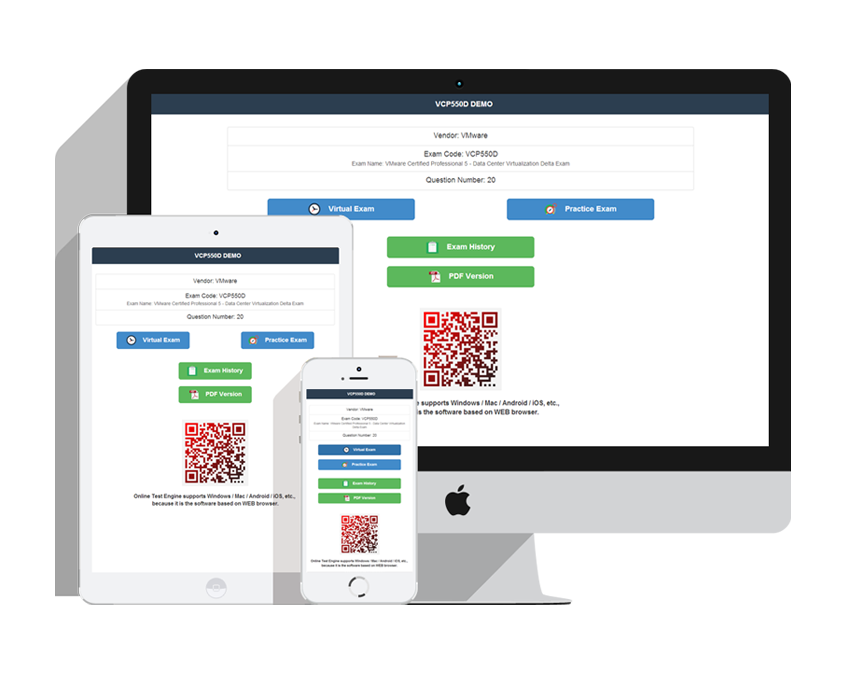
With the AZ-700 Korean online test engine, you can experience the actual test environment during the practice. It is suitable for any electronic device with any limit, such as: Windows/Mac/Android/iOS operating systems. When you use the AZ-700 Korean online test engine, you can set the test time with each practice and get the test score after finished the test. Besides, the questions which you have made mistake can be marked for next review. With so many intelligence advantages, you can get many benefits from our AZ-700 Korean online test engine.
Microsoft AZ-700 Exam Syllabus Topics:
| Topic | Details |
|---|---|
Design, Implement, and Manage Hybrid Networking (10-15%) | |
| Design, implement, and manage a site-to-site VPN connection | - design a site-to-site VPN connection for high availability - select an appropriate virtual network (VNet) gateway SKU - identify when to use policy-based VPN versus route-based VPN - create and configure a local network gateway - create and configure an IPsec/IKE policy - create and configure a virtual network gateway - diagnose and resolve virtual network gateway connectivity issues |
| Design, implement, and manage a point-to-site VPN connection | - select an appropriate virtual network gateway SKU - plan and configure RADIUS authentication - plan and configure certificate-based authentication - plan and configure OpenVPN authentication - plan and configure Azure Active Directory (Azure AD) authentication - implement a VPN client configuration file - diagnose and resolve client-side and authentication issues |
| Design, implement, and manage Azure ExpressRoute | - choose between provider and direct model (ExpressRoute Direct) - design and implement Azure cross-region connectivity between multiple ExpressRoute locations - select an appropriate ExpressRoute SKU and tier - design and implement ExpressRoute Global Reach - design and implement ExpressRoute FastPath - choose between private peering only, Microsoft peering only, or both - configure private peering - configure Microsoft peering - create and configure an ExpressRoute gateway - connect a virtual network to an ExpressRoute circuit - recommend a route advertisement configuration - configure encryption over ExpressRoute - implement Bidirectional Forwarding Detection - diagnose and resolve ExpressRoute connection issues |
Design and Implement Core Networking Infrastructure (20-25%) | |
| Design and implement private IP addressing for VNets | - create a VNet - plan and configure subnetting for services, including VNet gateways, private endpoints, firewalls, application gateways, and VNet-integrated platform services - plan and configure subnet delegation - plan and configure subnetting for Azure Route Server |
| Design and implement name resolution | - design public DNS zones - design private DNS zones - design name resolution inside a VNet - configure a public or private DNS zone - link a private DNS zone to a VNet |
| Design and implement cross-VNet connectivity | - design service chaining, including gateway transit - design VPN connectivity between VNets - implement VNet peering |
| Design and implement an Azure Virtual WAN architecture | - design an Azure Virtual WAN architecture, including selecting types and services - connect a VNet gateway to Azure Virtual WAN - create a hub in Virtual WAN - create a network virtual appliance (NVA) in a virtual hub - configure virtual hub routing - create a connection unit |
Design and Implement Routing (25-30%) | |
| Design, implement, and manage VNet routing | - design and implement user-defined routes (UDRs) - associate a route table with a subnet - configure forced tunneling - diagnose and resolve routing issues - design and implement Azure Route Server |
| Design and implement an Azure Load Balancer | - choose an Azure Load Balancer SKU (Basic versus Standard) - choose between public and internal - create and configure an Azure Load Balancer (including cross-region) - implement a load balancing rule - create and configure inbound NAT rules - create explicit outbound rules for a load balancer |
| Design and implement Azure Application Gateway | - recommend Azure Application Gateway deployment options - choose between manual and autoscale - create a back-end pool - configure health probes - configure listeners - configure routing rules - configure HTTP settings - configure Transport Layer Security (TLS) - configure rewrite sets |
| Implement Azure Front Door | - choose an Azure Front Door SKU - configure health probes, including customization of HTTP response codes - configure SSL termination and end-to-end SSL encryption - configure multisite listeners - configure back-end targets - configure routing rules, including redirection rules |
| Implement an Azure Traffic Manager profile | - configure a routing method (mode) - configure endpoints - create HTTP settings |
| Design and implement an Azure Virtual Network NAT | - choose when to use a Virtual Network NAT - allocate public IP or public IP prefixes for a NAT gateway - associate a Virtual Network NAT with a subnet |
Secure and Monitor Networks (15-20%) | |
| Design, implement, and manage an Azure Firewall deployment | - design an Azure Firewall deployment - create and implement an Azure Firewall deployment - configure Azure Firewall rules - create and implement Azure Firewall Manager policies - create a secure hub by deploying Azure Firewall inside an Azure Virtual WAN hub - integrate an Azure Virtual WAN hub with a third-party NVA |
| Implement and manage network security groups (NSGs) | - create an NSG - associate an NSG to a resource - create an application security group (ASG) - associate an ASG to a NIC - create and configure NSG rules - interpret NSG flow logs - validate NSG flow rules - verify IP flow |
| Implement a Web Application Firewall (WAF) deployment | - configure detection or prevention mode - configure rule sets for Azure Front Door, including Microsoft managed and user defined - configure rule sets for Application Gateway, including Microsoft managed and user defined - implement a WAF policy - associate a WAF policy |
| Monitor networks | - configure network health alerts and logging by using Azure Monitor - create and configure a Connection Monitor instance - configure and use Traffic Analytics - configure NSG flow logs - enable and configure diagnostic logging - configure Azure Network Watcher |
Design and Implement Private Access to Azure Services (10-15%) | |
| Design and implement Azure Private Link service and Azure Private Endpoint | - create a Private Link service - plan private endpoints - create private endpoints - configure access to private endpoints - integrate Private Link with DNS - integrate a Private Link service with on-premises clients |
| Design and implement service endpoints | - create service endpoints - configure service endpoint policies - configure service tags - configure access to service endpoints |
| Configure VNet integration for dedicated platform as a service (PaaS) services | - configure App Service for regional VNet integration - configure Azure Kubernetes Service (AKS) for regional VNet integration - configure clients to access App Service Environment |
If you have experience in planning, applying, and maintaining Azure networking solutions, skilled in Azure administration, and you are proficient in hybrid networking, routing, security, connectivity, as well as private access to Azure services, then you are ready to prove your skills by passing the Microsoft AZ-700 exam. The exam testifies that you as an Azure Network Engineer are well-qualified in dealing with Azure networking solutions and competent enough in utilizing such methods as Azure CLI, Azure ARM templates, and PowerShell. In addition, you can deliver Azure solutions through communicating with cloud admins, app developers, security engineers, and DevOps engineers. Passing the exam earns you the Microsoft Certified: Azure Network Engineer Associate certification.


Related Exams
Related Certifications
Over 75621+ Satisfied Customers
What Clients Say About Us
Why Choose Us
-
QUALITY AND VALUE
PracticeTorrent Practice Exams are written to the highest standards of technical accuracy, using only certified subject matter experts and published authors for development - no all study materials.
-
TESTED AND APPROVED
We are committed to the process of vendor and third party approvals. We believe professionals and executives alike deserve the confidence of quality coverage these authorizations provide.
-
EASY TO PASS
If you prepare for the exams using our PracticeTorrent testing engine, It is easy to succeed for all certifications in the first attempt. You don't have to deal with all dumps or any free torrent / rapidshare all stuff.
-
TRY BEFORE BUY
PracticeTorrent offers free demo of each product. You can check out the interface, question quality and usability of our practice exams before you decide to buy.
Our Clients












Get the high score and achieve the certification with our latest practice torrent. The complete exam prep torrent contains the questions & answers which are related to the actual test. You can pass your actual test at first attempt.
Tags
- 1z1-071 practice torrentMay 28, 2022
- NSE6_OTS_AR-7.6 practice torrentMay 28, 2022
- C_SAC_2601 practice torrentMay 28, 2022
- FCP_FAZ_AN-7.6 practice torrentMay 28, 2022
Contact Us
From Monday to Saturday
Support: Contact now
If you have any question please leave me your email address, we will reply and send email to you in 12 hours.
Copyright © 2026 PracticeTorrent NETWORK CO.,LIMITED. All Rights Reserved. All trademarks used are properties of their respective owners. Privacy Policy